
We’re all in this together…
It’s OK to not be OK. Just because you are a middle aged man, you are oftehn teh guy that is supposed to know thing.
Sometimes you don’t and that’s just fine !!. See below for some thoughts from ius at 4D


Daylight as a Performance Tool
Morning daylight helps set alertness and focus before the day gets noisy. Stepping outside early often changes how the rest of the day feels, without changing anything else.
Energy is not just sleep
Energy is often treated as a question of sleep duration.
In reality, it is also shaped by attention, timing, and what your brain is exposed to in the first hour of the day.
You can sleep well and still feel slightly behind if your morning begins indoors under artificial light and immediate screen use.

Peaceful Walk
Morning light and mental clarity
Morning light does something simple but noticeable: it anchors attention.
It signals that the day has started in a physical sense, not just a scheduled one.
A simple way to use it:
Get outside within the first hour of waking
Keep it low-friction (walk, coffee, or standing outside)
Avoid immediate phone use during that time
It is not about routine design. It is about how quickly your system switches on.
The modern default: indoor attention
Most mornings now begin with artificial input. Screens, notifications, indoor lighting, and movement straight into tasks.
The result is not obvious fatigue, but a slower ramp into focus. The day starts, but the mind takes longer to fully arrive.

A small adjustment that changes the start of the day
This is less about lifestyle change and more about sequence.
Try shifting the order:
Light before screen
Outside before input
Movement before messaging
It does not need to take longer. It just needs to come first.
People tend to notice the same thing after a while: mornings feel clearer without feeling different.
Evening attention matters as well
Light is not just something you receive in the morning. It is something you also manage in the evening.
Where the morning benefits from natural light, the evening benefits from the opposite: reducing and shaping artificial light so the day actually ends.
A simple adjustment is to reduce the intensity of your environment as the evening progresses:
Lower overhead lighting after dinner
Reduce screen brightness in the last hour
Avoid fast, high-stimulation content late at night
If you want to take it further, you can let the environment do more of the work.
Smart lighting that gradually dims through the evening, or blinds that reduce external light earlier, help signal the transition without needing to manage it manually.
Check out Hive’s smart lighting system, or alternatives such as Govee - both are easy enough to set up with an app and can be scheduled to gradually shift the lighting through the evening, so the room naturally moves into a lower-intensity state without you needing to think about it.
It is not about optimisation. It is just about making the environment match the direction of the day.

Freeze the Day
Most guys dread cold showers. But 30–60 seconds under cold water can wake you up, sharpen your focus, and build quiet resilience.
Most guys hate the idea of a cold shower. That’s fine. But here’s the truth: 30–60 seconds under cold water can actually wake you up and sharpen your focus. It’s not torture. It’s just a small habit that helps your body and mind handle the day better.
Why it works
Comfort is easy. Challenge is what builds resilience. Cold water forces a shift… your circulation kicks in, your breathing deepens, and your nervous system gets a quick reset. The result?
You wake up fast. That groggy, dragging feeling disappears.
Stress feels easier to manage. Your body gets used to small, controlled shocks.
Mental clarity improves. Even a short blast lifts your mood and alertness - no caffeine needed.
Think of it like mini training for your brain.

Even short bursts count.
How to do it without hating life
No need to dive straight into freezing misery. Start simple:
Warm to start: Take your shower as normal.
End on cold: Switch the water to cold for 30–60 seconds.
Breathe. Slow, deep breaths help your body adjust.
Do it regularly: Daily or every other day is enough to see the difference.
It’s not about heroics, it’s about giving your body a controlled challenge that actually sticks. And yes, you’ll probably scream a little. Totally normal.
Gradually increase the duration as your body adapts.
Your mornings and your mind will thank you.
The Subtle Edge
Cold showers aren’t flashy, and they won’t transform your life overnight. But they do give you a moment of control, a jolt of clarity, and a quiet boost to resilience.
The real benefit is consistency. Each morning you step under that cold water, you’re sending a signal to your body and mind: you can handle challenges, you can stay composed, and you can take charge of your day.
It’s a habit that quietly reinforces mental toughness, steadiness, and wellbeing, all without expensive equipment, complicated routines, or extra time.
Over weeks and months, these small, deliberate actions accumulate. You notice it in the calm with which you face a hectic morning, the steadiness during a stressful meeting, and the sharper focus in your daily decisions. It’s subtle, but meaningful, like a premium accessory for your mind, quietly shaping your resilience from the first few minutes of the day.

Press Play for a Mental Reset
When your mind won’t switch off, guided apps can help. Calm, Headspace, and Peloton offer simple ways to slow down, breathe, and reset your head in just a few minutes.
Let’s be honest. Most men don’t wake up thinking, “Today feels like a good day to meditate.”
But here’s a better question: when was the last time your mind actually slowed down?
Between work, family, responsibilities, and the constant buzz of notifications, most of us spend the day running mentally from one thing to the next. Even when the laptop closes, the brain often keeps going.
That constant background noise takes a toll.
The good news is that switching gears doesn’t require silence, candles, or sitting cross-legged on the floor. Sometimes it just means following a few minutes of guided breathing and letting someone else lead the process.
Why guided calm works
Your brain spends most of the day reacting… emails, decisions, conversations, deadlines.
Guided breathing or mindfulness sessions help interrupt that cycle. Instead of constantly reacting, you spend a few minutes slowing your breathing and focusing your attention.
It’s simple, but the effects can be powerful.
Regular practice can help you:
Lower stress levels
Improve concentration
Sleep more easily
Respond more calmly under pressure
Think of it less as meditation and more as training your mind to downshift when it needs to.
The problem: where do you start?
This is where many people struggle.
Left alone in silence, it’s easy to wonder if you’re doing it properly—or to abandon the whole thing after thirty seconds.
Guided apps remove that friction. A voice walks you through breathing, relaxation, and focus, step by step.
You don’t have to figure anything out. You simply follow along.
A few apps worth trying
If you’re curious about building a short mental reset into your routine, these apps make it straightforward.
Calm focuses on relaxation and sleep support. It offers guided sessions that help slow breathing, release tension, and quiet a busy mind. It’s a good option if you’re looking to unwind at the end of the day.
Headspace takes a more structured approach, teaching simple mental focus techniques through short guided sessions. It’s ideal if you like learning a skill step by step.
Many people know Peloton for workouts, but the app also includes guided mindfulness sessions. If you already use Peloton for training, adding a few minutes of guided calm after exercise can feel like a natural extension of your routine.
4D Tip:
You can get started with any of these apps for free and if you’re new to this, start with five minutes before bed.
The real benefit
But over time, it can make a noticeable difference. You may find yourself reacting less sharply, focusing more easily, and handling pressure with a clearer head.
Small shifts. Real impact.
A habit worth building
If you’re already exercising, walking more, or trying to sleep better, adding a few minutes of guided calm is a natural next step.
No complicated routine.
Just press play and give your mind a chance to catch up.

Magnesium for Better Sleep
For men looking to protect their mental health, sleep is the foundation and magnesium can be a simple, low-effort way to help your body switch off and recover.
Sleep sets the tone
If you’re a 4Der looking to improve your mental health, sleep is a great place to start. The good news is you don’t necessarily need a complete lifestyle overhaul or a rigid routine. You need better signals, better consistency, and a nervous system that knows when the day is done.
Poor sleep keeps your nervous system in a semi-alert state. Over time, that constant low-level activation shows up as anxiety, irritability, low mood, or that familiar sense of being wired but exhausted.
Improving sleep doesn’t solve everything, but it raises your baseline enough that life feels manageable again.
A simple place to start

You need one calm, repeatable signal to your nervous system that it’s time for sleep. For a lot of men, that signal can be magnesium.
Not as a miracle cure. Not as a “biohack”. Just as a quiet support that helps your body do what it’s already trying to do - switch off.
Magnesium supports the nervous system and muscle relaxation. In plain terms, it helps take the edge off the tension that keeps your body awake even when your brain wants rest.
For men who:
train or walk a lot
carry stress physically
lie awake feeling tired but alert
wake up feeling unrested
…magnesium can be a useful part of an evening wind-down.
It works best when taken consistently, ideally 30–60 minutes before bed, as part of a routine that tells your body: nothing else is happening tonight.
Forms like magnesium glycinate are often preferred because they’re calming and gentle, rather than stimulating.
What to expect (and what not to)
Let’s be clear, magnesium won’t:
knock you out instantly
fix chronic sleep deprivation
replace good sleep habits
What it can do is lower the barrier to sleep, especially if your issue is tension, restlessness, or stress rather than outright insomnia.
The quiet win
You’re not trying to control sleep. You’re creating the conditions for it. And over time, that consistency adds up: steadier mood, clearer thinking, better resilience.Sleep improvements rarely feel dramatic. But they’re cumulative.
If your mental health feels slightly off, slightly brittle, or harder to manage than it should be,start with sleep. And if sleep feels elusive, magnesium is a sensible, low-effort place to begin.
One small change. Repeated nightly. Quietly effective.

Taking 20:
20 minutes a day, or even every other day can help meantal health, wellbeing and help make you a nicer person for your loved ones. Take 20!
Take 20: Why Stepping Away from Work is a Game-Changer for Your Mental Health
Guys, let’s get real for a moment. Life is busy. Work is demanding. And if you’re like most middle-aged men, you’ve probably convinced yourself that there’s just no time to take a break. But here’s the truth: you always have 20 minutes. And those 20 minutes? They could be the best investment you make in your mental health today.
Science backs it up. Studies from institutions like Harvard and the Mayo Clinic have shown that even short breaks—just 20 minutes—can significantly reduce stress, lower blood pressure, and improve focus. Whether it’s a brisk walk, a quiet read, or a short meditation session, stepping away from your desk resets your brain and body.
Think of it like rebooting your computer. When things start lagging, you don’t just keep clicking—you restart. Your mind works the same way. A 20-minute pause can clear mental fog, boost creativity, and even improve your mood. It’s not a luxury. It’s maintenance.
And no, you don’t need a yoga mat or a mountain retreat. You can do this anywhere. Early morning before the house wakes up. Late evening after the emails stop. In your car, in the park, or even in the break room. The key is consistency and intention.
Here’s what 20 minutes a day can do for you:
Lower cortisol levels (that’s your stress hormone)
Improve heart health
Enhance memory and concentration
Boost emotional resilience
It’s not about escaping responsibility—it’s about showing up better for everything and everyone that matters. You’re not slacking off. You’re sharpening the axe.
So next time you think, “I don’t have time,” remember: you do. You just have to take it. Your mind, your body, and your loved ones will thank you.
Take 20. You’ve earned it.

Let’s not go …there…
Suicidal thoughts are a painful and overwhelming experience, but they are not the answer to your struggles. It’s important to recognize that these thoughts, while intense, are often temporary and can be managed with the right support and coping strategies.
When life feels unbearable, it’s easy to believe that ending it is the only way to escape the pain. However, this is not true. Suicide is a permanent solution to temporary problems. It denies the possibility of recovery, of things getting better, or of finding joy again. There are people who have been in the depths of despair, only to find hope and purpose after weathering the storm. Your feelings are valid, but they are not fixed—they can and will change.
If you are struggling with suicidal thoughts, there are ways to combat them:
1. **Reach Out for Help**: One of the most important steps is to talk to someone—a friend, family member, or a professional. Often, just sharing your feelings can bring a sense of relief. Don’t hesitate to reach out to organizations like the Samaritans (116 123 in the UK). They offer confidential support 24/7 for anyone in emotional distress.
2. **Create a Safety Plan**: This can include listing reasons to live, writing down emergency contacts, and identifying distractions or places you feel safe.
3. **Practice Self-Compassion**: Be kind to yourself during tough times. Negative thoughts often stem from feelings of worthlessness, but remember, you are deserving of love and support.
4. **Seek Professional Help**: Therapy, especially Cognitive Behavioral Therapy (CBT), can be incredibly effective in challenging and changing the negative thought patterns that contribute to suicidal feelings.
Remember, your life has value. There is hope, and there is help. Reach out today.

Let’s call it “Non-Thinking”
Meditation or just Quiet Thinking
Meditation. The elusive pursuit.
As a 4Der, most of us know little about meditation. We “sort of know” it has gained significant attention for its numerous benefits, ranging from stress reduction to improved mental clarity. However, despite the growing popularity of this ancient practice, 4Ders often find it challenging to incorporate meditation into their daily routines. This article aims to explore the various factors contributing to this struggle and shed light on why finding time to meditate remains a significant challenge for many men in this demographic. We’d recommend a starter meditation kit from Ekotex yoga to get you on your way to finding time to meditate.
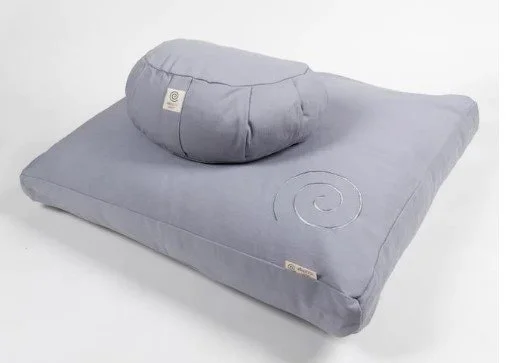
Take your mind off things
Don’t be shy - meditation products can help you commit to the process!
Demanding Work and Family Commitments:
One of the primary reasons we struggle to find time for meditation is their demanding work and family commitments. As individuals in this age group often have to work hard to makes ends meet and bear considerable responsibilities within their families, their schedules are often packed with work, meetings, deadlines, and family obligations. Balancing these responsibilities becomes a daunting task, leaving little room for personal time, let alone meditation.
Is it “soft”?
Stereotypes play a crucial role in discouraging 4Ders from embracing meditation. Men are often conditioned to prioritize productivity, assertiveness, and achievement, which can inadvertently lead to neglecting self-care practices like meditation. The perceived image of masculinity associated with strength and resilience often discourages men from engaging in activities perceived as "soft" or "spiritual."
Lack of Awareness and Understanding:
Another factor contributing to the struggle is the lack of awareness and understanding about the benefits of meditation. Many 4Ders may not fully comprehend how meditation can positively impact their mental and emotional well-being. This lack of knowledge may result in underestimating the potential benefits, making it less likely for them to prioritize meditation over other activities. Why not read “Touchstones” a book on the subject of meditation for men to give you some guidance?
Limited Exposure and Role Models:
We may have limited exposure to meditation or lack relatable role models who actively practice it. The absence of prominent figures or peers who openly discuss and endorse meditation can contribute to the perception that it is not a suitable practice for them. Without relatable examples, it becomes difficult for men to envision themselves incorporating meditation into their lives.
Time Management and Prioritization:
Time management is a significant challenge for individuals of all ages, and 4Ders are no exception. With numerous responsibilities and obligations, finding the time to meditate can feel like an added burden. The inability to effectively prioritize personal well-being can lead to neglecting self-care practices, including meditation. Where better than Harvard University to give you some time management tips ?
So Let’s just call it “Non Thinking” then.
While the benefits of meditation are undeniable, we face unique challenges that make finding time for this practice difficult. Demanding work and family commitments, societal expectations, limited exposure to meditation, and time management issues all contribute to the struggle. Overcoming these obstacles requires a shift in perspective, education about the benefits, and an emphasis on self-care and mental well-being. By recognizing the value of meditation and creating a supportive environment, we can encourage middle-aged men to embrace this transformative practice and experience its profound positive effects on their lives.

Reading about mental health
Mental Health, we’re in this together.
There are several excellent books on mental health that specifically cater to 4Ders’ unique experiences and challenges. Here are some highly regarded books for you to consider to hel p out with mental health.
"Man's Search for Meaning" by Viktor E. Frankl: While not exclusively about mental health, this book explores the importance of finding purpose and meaning in life, which can have a profound impact on our mental well-being.

It’s a fact
Boys get sad too. Even though middle aged men’s mental health is becoming more of a “thing”, it is still a subject that needs more focus. MIND is a great help for many…
"The Mask of Masculinity: How Men Can Embrace Vulnerability, Create Strong Relationships, and Live Their Fullest Lives" by Lewis Howes: This book explores the societal pressures that often lead men to hide their emotions and offers insights on breaking free from harmful masculine stereotypes.
"n" by Terrence Real: Focusing on the issue of male depression, this book explores the unique challenges faced by 4Ders and provides guidance on how to recognize and overcome it.
"The Will to Change: Men, Masculinity, and Love" by Bell Hooks: This book delves into the construction of masculinity and how it affects men's emotional lives. It offers a critique of patriarchal norms and suggests ways for men to develop healthier and more fulfilling relationships.
"The Mindful Way through Depression: Freeing Yourself from Chronic Unhappiness" by Mark Williams, John Teasdale, Zindel Segal, and Jon Kabat-Zinn: Although not specifically aimed at men, this book provides a comprehensive guide to mindfulness-based cognitive therapy for depression, which can be beneficial for anyone struggling with mental health challenges.
Remember, individual experiences and preferences may vary, so it's always a good idea to read reviews and summaries to find the books that resonate with your specific needs and interests.
Additionally, seeking professional help from mental health practitioners is essential when dealing with personal challenges. Remember, this happens to a LOT of people and practicioners are hear to HELP , not JUDGE ! Good luck and remember to look after yourself.

Best places to reflect on life
Get away and think !
There are many great places to reflect on life. Here are a few suggestions for 4Ders.
Nature: Being in nature can be a great way to clear your head and connect with something bigger than yourself. Try going for a walk in the park, hiking in the mountains, or sitting by the ocean.
Religious or spiritual places: If you are religious or spiritual, visiting a place of worship or meditation can be a great way to reflect on your beliefs and connect with your higher power.
Quiet spaces: If you need a quiet place to think, try going to a library, coffee shop, or even your own bedroom. Turn off your phone and computer and give yourself some time to just be with your thoughts.
Places that hold personal meaning: If there is a place that has special meaning to you, such as the place where you grew up or the place where you met your spouse, going there can be a great way to reflect on your life and all that you have experienced.
To try a break where you can reflect on life, why not consider Wellbeing Holidays? There breaks are organise by professionals in the field and come highly recommended.

Make it stand out
Whatever it is, the way you tell your story online can make all the difference.
No matter where you choose to reflect on life, the most important thing is to create a space where you can be still and quiet and allow your thoughts to come to you. When you are in a state of peace and quiet, you are more likely to have insights and clarity about your life.
Here at 4D we prefer to just find a quiet place in a park or by a river. We’re able to think about things in a setting that we are not normally able to access without friends. And hey, how about switching off that phone?

Screens Down…
Put the screen down for a while
Spending excessive amounts of time on screens, such as smartphones, computers, tablets, and televisions, can have negative effects on your mental health. Here are several reasons why:
**Increased risk of mental health disorders**: Studies have linked excessive screen time to an increased risk of mental health disorders such as depression, anxiety, and attention-deficit/hyperactivity disorder (ADHD). Excessive screen use can disrupt sleep patterns, negatively impact mood, and contribute to feelings of isolation and loneliness.
**Social isolation and reduced social skills**: Excessive screen time can lead to reduced face-to-face social interactions and increased reliance on virtual interactions. This can contribute to feelings of isolation and loneliness, which are detrimental to mental health. Additionally, spending too much time on screens may impair the development of social skills necessary for building and maintaining relationships in the real world.
**Negative impact on sleep**: The blue light emitted by screens can disrupt the production of melatonin, a hormone that regulates sleep. Excessive screen use, particularly in the evening or before bed, can interfere with the quality and duration of sleep. Poor sleep has a significant impact on mental health, contributing to increased stress levels, impaired cognitive function, and decreased emotional well-being.
**Escapism and avoidance**: Spending excessive time on screens can become a form of escapism or avoidance of real-life problems and responsibilities. Engaging in excessive screen use to avoid facing difficulties can exacerbate stress and anxiety, as well as hinder the development of healthy coping mechanisms.
**Decreased productivity and concentration**: Constant exposure to screens and digital distractions can diminish productivity and impair concentration. Frequent interruptions from notifications, social media, and online entertainment can make it difficult to focus on tasks and achieve a state of flow. This can lead to frustration, decreased work or academic performance, and increased stress levels.
**Comparison and self-esteem issues**: Social media platforms often present idealized versions of people's lives, which can lead to social comparison and negatively impact self-esteem. Constant exposure to carefully curated posts and images can create unrealistic standards and expectations, fostering feelings of inadequacy, envy, and dissatisfaction with one's own life.
To maintain good mental health, it is important to establish a healthy balance between screen time and other activities. This can include setting limits on screen use, engaging in offline hobbies, spending time with loved ones, getting regular exercise, and practicing mindfulness or other stress-reduction techniques. It's also beneficial to prioritize quality sleep, maintain a healthy social life, and seek support from mental health professionals if needed.
At 4D, we recommend saving battery life by a few simple methods.
Don’t turn on a screen first thing on the morning or last thing at night and use that time to tell yourself that today/tomorrow will be a good day and that many of the “now” problems in life simply fade away if left for a while !